
Atlanta's climate is one of the most challenging in the country for mold prevention. With average summer humidity levels of 70–80%, temperatures that stay warm well into fall, and frequent heavy rainfall, the conditions for mold growth are nearly always present. Add water damage to that equation, and mold can become a serious problem within 24–48 hours.
If your Atlanta home has experienced water damage — from a burst pipe, appliance failure, roof leak, or flooding — understanding the mold risk and acting quickly is essential to protecting both your property and your family's health.
Atlanta Mold Timeline
Mold spores begin germinating within 24–48 hours of water exposure in Georgia's climate. Visible colonies appear within 3–7 days. After 2 weeks, mold can penetrate drywall and structural materials, requiring significantly more extensive remediation.
Why Atlanta Is a High-Risk Environment for Post-Water-Damage Mold
Mold requires three things to grow: moisture, a food source (organic materials like wood, drywall, and insulation), and warmth. Atlanta provides all three in abundance. The city's subtropical climate means temperatures rarely drop low enough to slow mold growth, and the high ambient humidity means that even after visible water is removed, moisture levels in building materials can remain elevated enough to sustain mold growth.
This is why professional drying — not just surface cleanup — is so critical after water damage in Atlanta. Consumer fans and dehumidifiers can reduce surface moisture, but they cannot remove the moisture that has been absorbed into wall cavities, under flooring, and into structural materials. Only industrial drying equipment, properly placed and monitored, can achieve the moisture levels needed to prevent mold growth.
How to Identify Mold After Water Damage
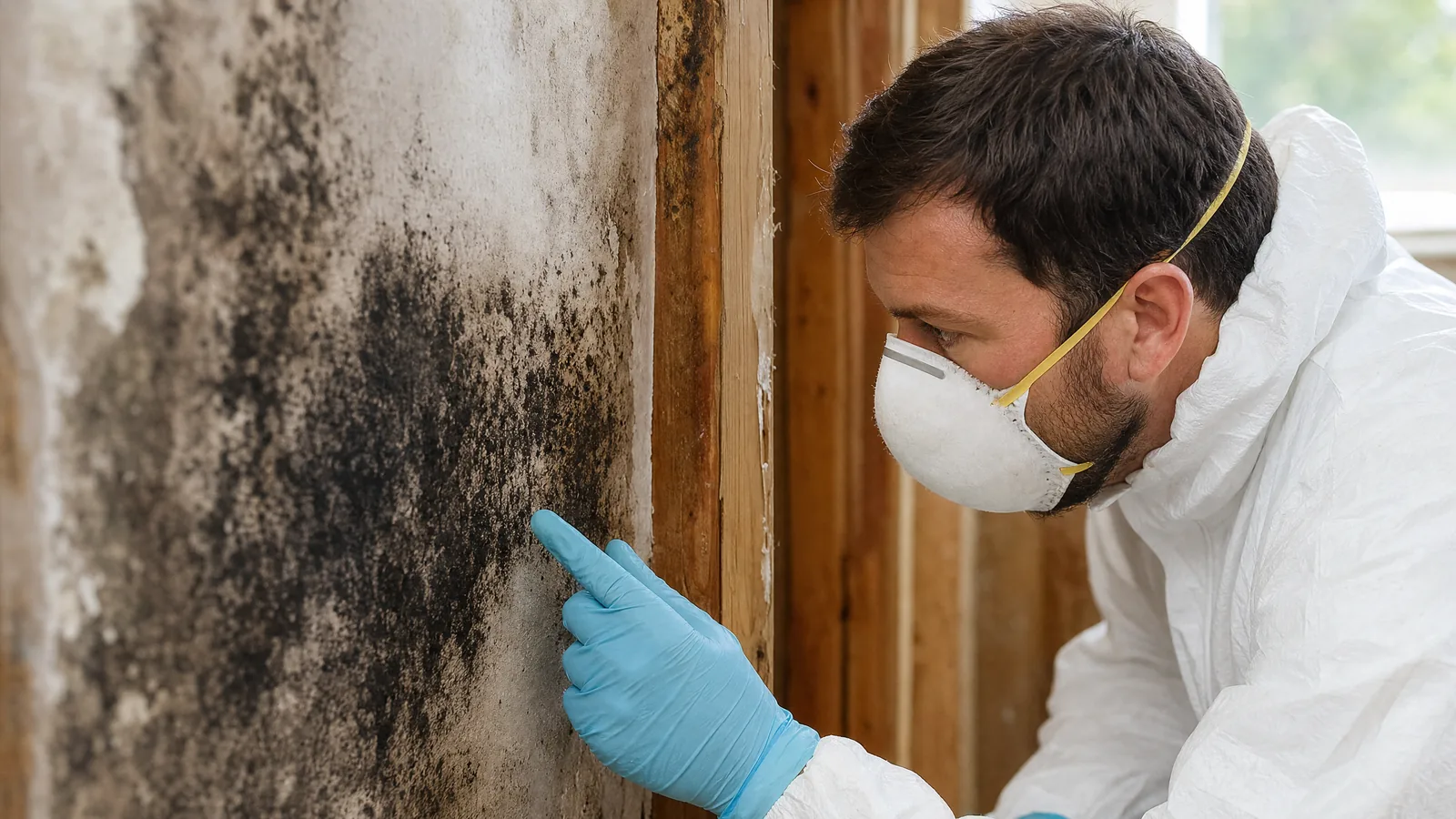
Mold is not always visible. In fact, the most significant mold growth often occurs in hidden locations — inside wall cavities, under flooring, in crawlspaces, and in HVAC systems. By the time mold is visible on surfaces, it has often been growing for days or weeks in concealed areas.
Visible signs of mold:
- Dark spots or discoloration on walls, ceilings, or floors (black, green, gray, or white)
- Fuzzy or powdery texture on surfaces
- Visible growth around windows, in bathrooms, or in areas with poor ventilation
- Discoloration or staining on drywall, particularly near the floor or ceiling
Hidden mold indicators:
- Persistent musty or earthy odor, especially in enclosed spaces
- Unexplained respiratory symptoms, headaches, or fatigue that improve when you leave the home
- Soft, spongy, or warped walls or floors (indicating moisture retention)
- Peeling paint or wallpaper, or bubbling beneath painted surfaces
- Increased allergy symptoms in household members
If you suspect hidden mold, professional mold testing using air sampling and surface sampling can confirm its presence and identify the species involved. Thermal imaging cameras can also detect moisture in wall cavities before mold becomes visible.
The Health Risks of Mold Exposure in Atlanta Homes
Mold exposure affects people differently depending on the species involved, the concentration of spores, and individual sensitivity. Common health effects include:
- Respiratory symptoms: Coughing, wheezing, shortness of breath, and nasal congestion
- Allergic reactions: Sneezing, runny nose, red eyes, and skin irritation
- Asthma aggravation: Mold is a known asthma trigger; exposure can cause attacks in sensitive individuals
- Headaches and fatigue: Particularly with prolonged exposure to elevated spore concentrations
- Mycotoxin effects: Some mold species (including certain strains of Stachybotrys, commonly called "black mold") produce mycotoxins that can cause more serious neurological and immune effects with prolonged exposure
Children, elderly individuals, pregnant women, and people with asthma, allergies, or compromised immune systems are at higher risk for serious health effects from mold exposure.
When to Call a Professional Mold Remediation Company
The EPA recommends professional mold remediation for any mold growth covering more than 10 square feet. In practice, any mold growth that has occurred after water damage — particularly if it has been present for more than a few days — should be evaluated by a professional. The reasons are practical:
Mold in porous materials cannot be cleaned — it must be removed. Drywall, insulation, carpet, and wood that have been colonized by mold cannot be effectively cleaned with surface treatments. The material must be removed and replaced. Attempting to clean mold from porous materials typically spreads spores and leaves the underlying growth intact.
Improper removal spreads contamination. Disturbing mold without proper containment and air filtration releases spores into the air, potentially spreading contamination to previously unaffected areas of the home. Professional remediation uses negative air pressure containment to prevent cross-contamination.
The source of moisture must be addressed. Mold will return if the moisture source is not resolved. Professional remediation includes identifying and confirming that the moisture source has been addressed before restoration begins.
The Professional Mold Remediation Process
IICRC S520-compliant mold remediation follows a defined process:
Does Insurance Cover Mold Remediation in Georgia?
Mold remediation coverage depends on the cause. If mold results directly from a covered water damage event — a burst pipe, appliance failure, or storm-related roof damage — the mold remediation is typically covered as part of the water damage claim. However, Georgia homeowners policies often have specific mold sub-limits (commonly $5,000–$10,000) that are lower than the overall policy limits.
Mold from flooding, gradual leaks, or pre-existing conditions is typically excluded. If you're filing a water damage claim that involves mold, make sure your adjuster's scope of work includes the full mold remediation — not just the water damage restoration.
How to Prevent Mold After Water Damage
The most effective mold prevention strategy is simple: get professional water damage restoration started as quickly as possible. The faster moisture is removed from your home, the lower the risk of mold growth. Specifically:
- Call a professional restoration company within hours of water damage, not days
- Do not attempt to dry a water-damaged area with consumer fans alone — they move air but do not remove moisture from building materials
- Do not replace flooring or close up walls until moisture readings confirm complete drying
- Maintain indoor humidity below 60% year-round using air conditioning and dehumidifiers
- Address any plumbing leaks, roof issues, or drainage problems promptly — don't allow moisture to accumulate
If you've experienced water damage in your Atlanta home and are concerned about mold, call us at (770) 284-6637. We provide free moisture assessments and can determine whether mold remediation is needed before it becomes a larger problem.
Frequently Asked Questions
How quickly does mold grow after water damage in Atlanta?
Mold can begin growing within 24–48 hours after water damage in Atlanta's warm, humid climate. Visible mold colonies typically appear within 3–7 days if moisture is not professionally removed.
Can I remove mold myself after water damage?
Small surface mold (less than 10 square feet) on non-porous surfaces can sometimes be addressed with proper cleaning and protective equipment. However, mold that has penetrated drywall, insulation, or structural materials requires professional remediation.
What are the health risks of mold after water damage?
Mold exposure can cause respiratory symptoms, allergic reactions, headaches, and fatigue. Individuals with asthma, allergies, or compromised immune systems are particularly vulnerable. Some mold species produce mycotoxins that can cause more serious health effects with prolonged exposure.
Does homeowners insurance cover mold remediation in Georgia?
Mold remediation is covered when it results directly from a covered water damage event — such as a burst pipe or appliance failure. Mold from gradual leaks, flooding, or pre-existing conditions is typically excluded. Georgia policies often have specific mold sub-limits.