
One of the first questions Atlanta homeowners ask after a water damage event is: "How much is this going to cost?" The honest answer is that it depends — but there are clear patterns and price ranges that can help you understand what you're facing before the restoration company even arrives.
This guide breaks down the real cost of water damage restoration in Atlanta, what drives prices up or down, and how to make sure you're not overpaying or leaving insurance money on the table.
Atlanta Water Damage Restoration Cost Summary
| Damage Type | Typical Cost Range | Avg. Timeline |
|---|---|---|
| Minor leak / small area | $1,200 – $2,500 | 2–3 days |
| Moderate flooding (1–2 rooms) | $2,500 – $6,000 | 3–5 days |
| Major flooding (whole floor) | $6,000 – $15,000 | 5–10 days |
| Sewage backup | $3,000 – $12,000 | 3–7 days |
| Mold remediation (added) | $1,500 – $6,000 | 2–5 days |
| Structural drying only | $800 – $3,000 | 3–5 days |
* Estimates for Atlanta metro area. Final costs depend on materials, contamination level, and extent of structural damage.
The 3 Water Categories — and Why They Matter for Cost
The single biggest driver of restoration cost is the category of water involved. The Institute of Inspection, Cleaning and Restoration Certification (IICRC) defines three categories:
Category 1 — Clean Water: Water from a sanitary source such as a broken supply line, overflowing sink, or rainwater. This is the least expensive to remediate because the water itself poses no health risk. Restoration typically involves extraction, drying, and monitoring.
Category 2 — Grey Water: Water that contains some contamination — from a dishwasher overflow, washing machine discharge, or toilet overflow with no feces. Grey water requires more thorough cleaning and disinfection, which adds to the cost. Affected porous materials like drywall and carpet padding often need to be removed and replaced.
Category 3 — Black Water: Highly contaminated water from sewage backups, flooding from rivers or streams, or water that has been standing long enough to develop dangerous microbial growth. Black water remediation requires full protective protocols, extensive disinfection, and removal of all affected porous materials. This is the most expensive category — and the most important to address professionally.
What Drives the Final Cost Up or Down
Square footage affected: Restoration companies typically charge per square foot for extraction, drying, and affected material removal. The larger the affected area, the higher the cost. A single bathroom leak is a very different job from a flooded basement.
How long the water sat: Water that is addressed within the first few hours causes significantly less damage than water that sat for 24–48 hours before remediation began. Delayed response allows water to penetrate deeper into structural materials, increases the likelihood of mold growth, and typically results in more material needing replacement rather than drying.
Materials involved: Hardwood floors, plaster walls, and custom cabinetry cost more to restore or replace than vinyl flooring, drywall, and standard cabinets. The material composition of your home directly affects the restoration bill.
Mold presence: If mold has already begun growing — which can happen in as little as 24 hours in Atlanta's climate — mold remediation costs are added on top of the base restoration cost. This can add $1,500–$6,000 or more depending on the extent of growth.
Structural damage: If water has compromised structural elements — floor joists, subfloor, load-bearing walls — structural repairs are required in addition to restoration work. This is where costs can escalate significantly.
Does Homeowners Insurance Cover Water Damage Restoration?
In most cases, yes — but the details matter. Standard homeowners insurance policies (HO-3) typically cover sudden and accidental water damage, including:
- Burst or frozen pipes
- Appliance failures (washing machine, dishwasher, water heater)
- Accidental overflow from sinks, tubs, or toilets
- Roof damage from a covered peril (storm, hail) that allows water intrusion
Standard policies typically do not cover:
- Gradual leaks that were known and not repaired
- Flooding from outside the home (requires separate flood insurance)
- Sewer or drain backup (unless you have a sewer backup rider)
- Neglect or deferred maintenance
The key is to call your insurance company promptly after a water damage event. Most policies require timely reporting, and delayed notification can complicate or void your claim. A reputable restoration company will work directly with your adjuster and can help ensure you receive the full benefit of your coverage.
How to Get an Accurate Estimate
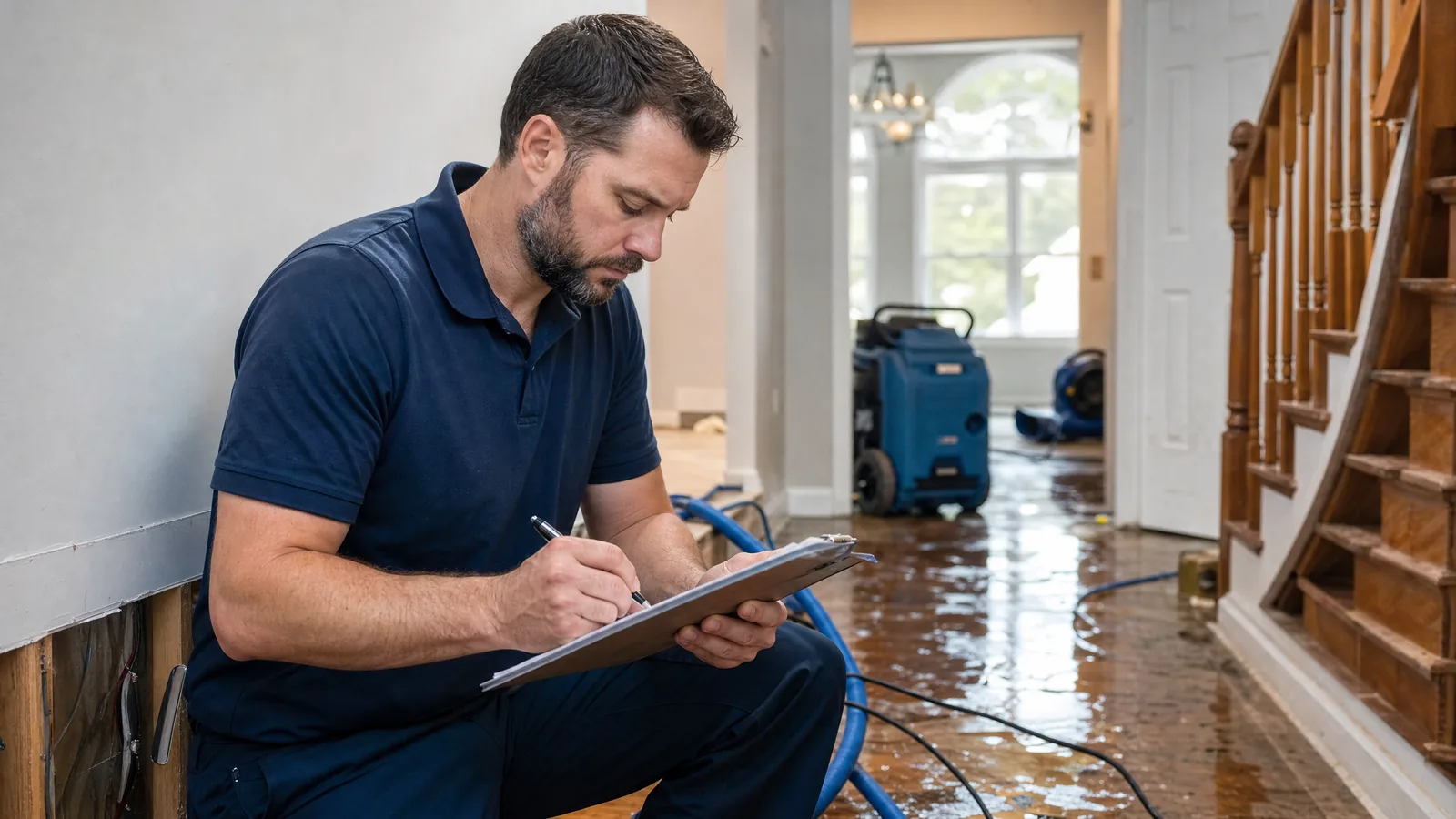
The only way to get an accurate estimate for your specific situation is to have a certified restoration professional assess the damage in person. Be wary of any company that gives you a firm price over the phone without seeing the damage — water damage is highly variable and the true extent is often not visible until moisture mapping and inspection are complete.
A legitimate estimate should include:
- Moisture mapping results showing the full extent of water intrusion
- Water category classification
- Itemized scope of work
- Equipment to be used and estimated drying timeline
- Materials to be removed and replaced
Frequently Asked Questions About Water Damage Costs
How much does water damage restoration cost in Atlanta?
Water damage restoration in Atlanta typically costs between $1,200 and $5,000 for minor to moderate damage. Severe flooding or sewage backups can run $10,000–$25,000 or more depending on the size of the affected area and the materials involved.
Does homeowners insurance cover water damage restoration?
Most standard homeowners insurance policies cover sudden and accidental water damage — such as a burst pipe or appliance failure — but not gradual leaks or flooding from outside. Flood damage typically requires a separate NFIP or private flood insurance policy.
What factors affect the cost of water damage restoration?
Key cost factors include the water category (clean, grey, or black water), the total square footage affected, how long the water sat before remediation began, the materials involved (drywall, hardwood, concrete), and whether mold remediation is required.
Need a free, no-obligation estimate for water damage in your Atlanta home? Call (770) 284-6637 or fill out the form — we respond within minutes, 24 hours a day.